The complete guide to electric vans

Electric vans are no longer just for eco-warriors and inner-city couriers. They're becoming a serious option for businesses of all sizes – and the clock is ticking.

While the plan is to ban new petrol and diesel cars from 2030, it's a slightly different story for vans. They'll start to be phased out in 2030, with a full ban aimed for 2035.

So, there's nothing like future-proofing your business now.

But with ongoing cost pressures, it's more important than ever that your van works for you, not against you.

Though the electric van market has taken a little longer to get going, it's exploded over the past few years. All the major manufacturers now offer at least one commercial EV option.

While most of these are electrified versions of combustion engine models, the technology is constantly improving. Many brands – including Tesla and Kia – are now manufacturing electric vans that have been designed from the ground up to be electric, rather than converted from diesel models.

This means switching to electric isn't just limited to last-mile delivery companies in major cities anymore.

An electric van lease is now a viable option for any business that can comfortably drive within range limitations and charge overnight – which means even rural companies don't have to write off the electric option.

But for delivery companies clocking up serious mileage with unpredictable routes, electric van tech still has further to go.

In this guide, we're breaking down everything you need to know about leasing an electric van, from real-world range to charging costs.
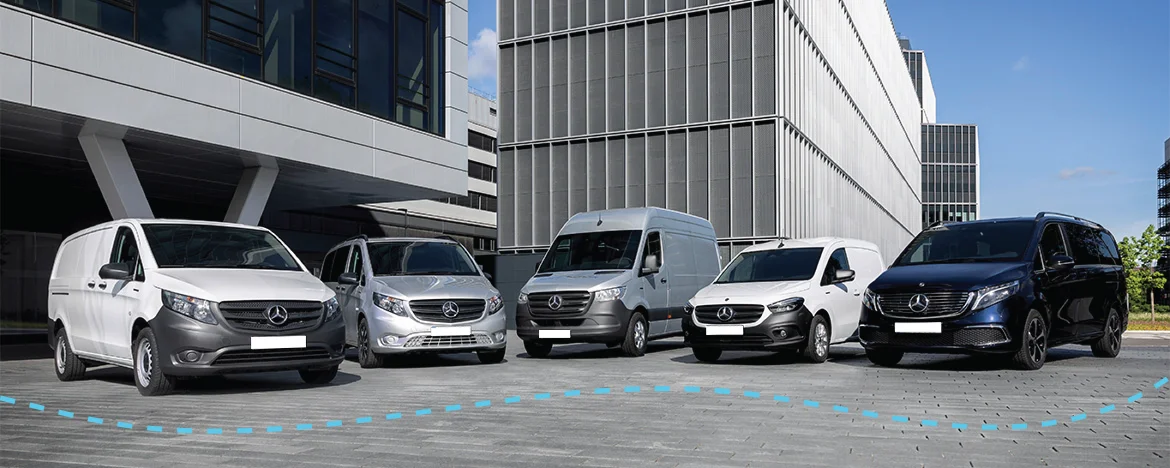
Mercedes electric lineup

Mercedes electric lineup

Is an electric van right for me?

The electric van market has come a long way in a remarkably short time.

Just a couple of years ago, the Mercedes-Benz eSprinter had a WLTP Comb range of just 90 miles. Fast forward to now, and it boasts a whopping 272 miles WLTP Comb – that's a three-fold improvement in the space of a couple of years.

It's not just Mercedes pushing the boundaries either.

Most electric vans available to lease now offer WLTP Comb ranges between 150 and 250 miles, with some models even exceeding 270 miles.

To put that in perspective, the average electric car has a WLTP Comb range of 236 miles – so electric vans are now matching, and in some cases surpassing, their passenger car counterparts.

Is that enough range for me?

According to Zapmap data, many businesses travel an average of 70 miles a day.

Dive even deeper with Zego's statistics and you'll see that 51% of vans actually stay local, operating within 15 miles of their base on an average day – though this varies significantly depending on your industry and delivery patterns.

Either way, most modern electric vans have more than enough capacity for a typical day's work. It's worth keeping track of how many miles you average per day, so when it comes time to look for your next electric van lease, you'll know exactly which van will work for you.

Reduced running costs

This will be music to your ears – across its whole lifespan, an electric van could save you money when compared to the total running costs of a diesel or petrol van.

The cost-per-mile of running a van on electricity rather than traditional fuel works out cheaper, while maintenance costs and service charges tend to be lower because electric vans don't have as many moving parts.

There are no pistons, no oil to change, no clutch in the gearbox.

An electric van won't wear out as quickly as a combustion engine van will either, keeping more money in your accounts and meaning your vans stay on the road for longer. Even your brake pads and discs should last longer than normal, thanks to regenerative braking recovering energy and reducing your speed whenever you take your foot off the pedal.

On top of the day-to-day savings, you'll also benefit from:

  • Government plug-in van grant: Automatically discounts the purchase price by up to 35% on qualifying vans – that's up to £2,500 off small vans and up to £5,000 off large vans. You don't need to apply; the seller includes the discount in the price.
  • Reduced Benefit-in-Kind tax: Electric vans qualify for lower BIK rates, meaning less tax for you or your employees.
  • Workplace Charging Scheme grants: You might be able to access funding to help reduce the cost of installing a workplace charger.
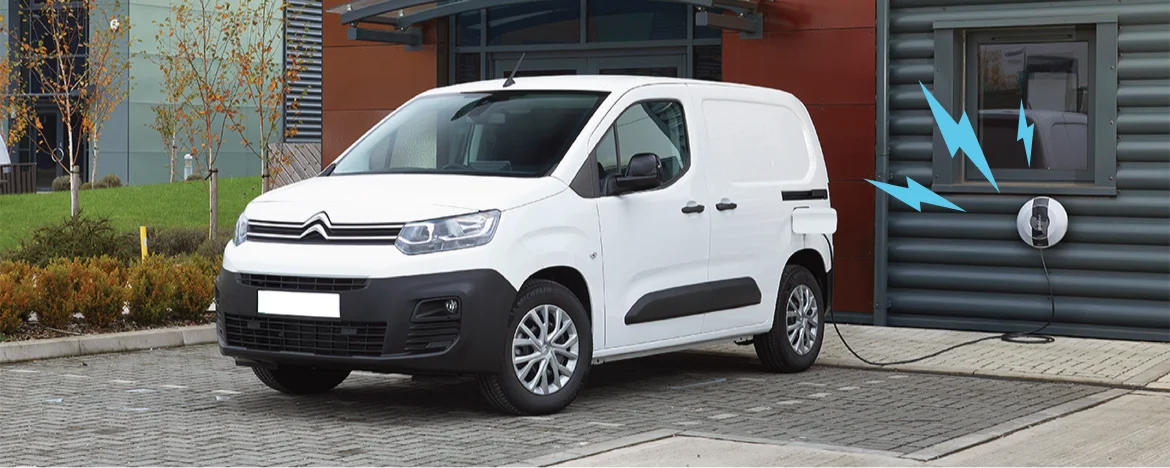
Citroen E-Berlingo on charge

Citroen E-Berlingo

Help your business become more sustainable

Whether you're a business of one or you run a whole fleet of vans, switching to electric can help reduce your carbon footprint.

Electric vans produce no CO2 or NOx emissions as they drive around, which means their widespread adoption – especially in congested towns and cities – could help improve air quality in urban areas, alongside helping to reduce your business's impact on the planet.

It also means that in a lot of areas where congestion charges are in place, your van will likely be exempt.

And with most major cities having already introduced Ultra Low Emission Zones (ULEZ), an electric van might be the only way to carry goods into city centres having to pay the charge.

London's ULEZ currently charges £12.50 per day for non-compliant vehicles, so if you're regularly driving into these zones, the savings of an EV can add up quickly.

Where do electric vans work best?

Though it's true that EVs are likely to work best for urban businesses, this doesn't rule out other users.

If you drive a similar route every day, know how many miles you drive on average, and can plug your van in overnight to charge, you shouldn't have any issues switching to an electric van.

Most companies using EVs plug their vans in overnight, drive them within their limits during the day, and then set them to charge overnight again, limiting any chance they might run out of juice.

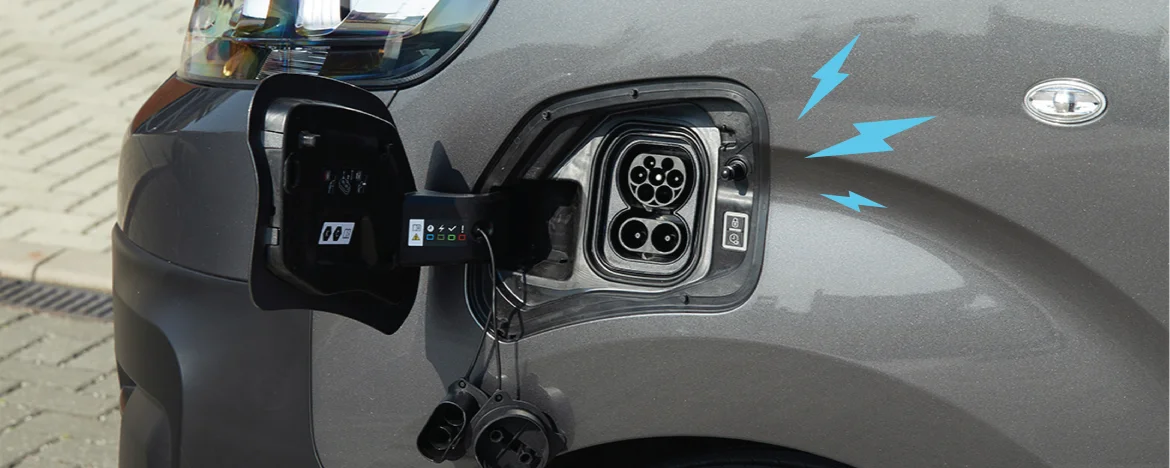
And many chargers now use smart technology, which means you can plug your van in when you get home or back to work, but it won't start charging until electricity is at its cheapest.

This means you won't have to pay premium rates or get up at midnight to get your van back to full.

Citroen E-Dispatch charging point

Citroen E-Dispatch charging point

What are electric vans like to drive?

In many ways, electric vans are a lot more refined.

They're quieter at speed, with no diesel rattle, which makes for a much more relaxing experience – especially if you spend hours in your van every day.

It's a sprightly experience too, with instant torque giving you responsive acceleration. If you've never experienced instant torque before, you're in for a treat: there's no waiting around for the engine to kick in.

There's no clutch, no gearbox, and an electric van is also a lot easier on its brakes, with regenerative braking allowing 'one pedal driving'. In other words, when you lift your foot off the accelerator, the electric motor turns into a generator which not only recovers energy to top up the battery, but also slows the van down.

Master this skill and watch the road, and you'll find you can drive for long periods without needing to use conventional brakes at all.

Are there payload issues with electric vans?

Short answer: no.

Long answer: sort of, but only with larger vans.

The added weight of the electric motor isn't a problem for smaller vans, but it can be for larger vans. The legal maximum gross vehicle weight for a standard UK driving licence is 3.5 tonnes, and a lot of larger vans make the most of this to maximise the amount of stuff they can hold.

And since the base weight of an electric vehicle is generally more than a van with a diesel engine, this can leave less capacity for payload.

But the government has stepped in to help counter this, allowing standard car licence holders to drive electric vans weighing up to 4.25 tonnes in some circumstances.

This is known as the 'alternative fuel payload derogation', and the extra weight allowance compensates for the extra heft of the battery – so you shouldn't see much difference in carrying ability.

Fiat E-Ducato

Fiat E-Ducato

So, are electric vans worth it?

Making the switch from a combustion engine van to electric has never been easier.

With ranges ever-increasing, government grants saving you even more of your hard-earned cash, and significant savings on fuel and maintenance costs, electric vans are no longer just for early adopters.

They're a practical choice for businesses of all sizes.

Whether you're doing local deliveries within a 15-mile radius or covering longer regional routes, there's now an electric van that'll suit your business. From compact city vans to large panel vans with serious cargo space, the choice has never been better.

If you'd like to chat through your options, get in touch with our expert team.

They can help you figure out which electric van is right for your business, what range you'll need, and how leasing could save you money in the long run.

Looking to make the switch from combustion to EV?

Beth Twigg

Beth Twigg

Beth is our Content Marketing Manager, tasked with creating great articles to keep you both entertained and informed. She has two years previous experience, but has been writing and scribbling for much longer.